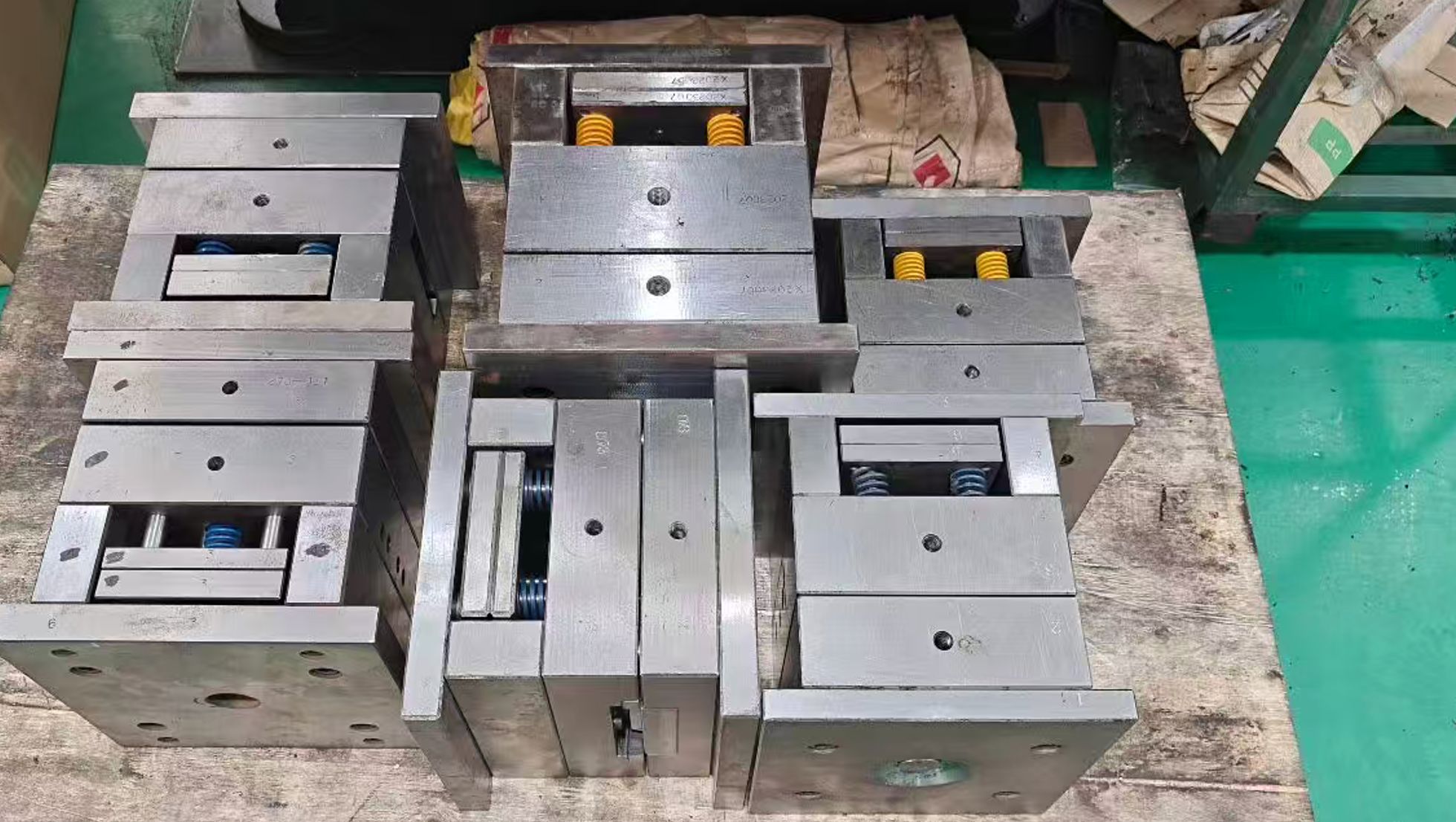
Why Defined Fitting Clearance Matters in Mold Machining
In precision mold manufacturing, most production defects are not caused by complex structural errors, but by unclear or uncontrolled fitting clearance. Many people overlook this tiny numerical difference, yet it directly determines a mold’s stability, service life, and the consistency of final plastic parts.
Fitting clearance refers to the intentional small gap between matching mold components — such as core and cavity, pins and holes, sliders, and inserts. Every millimeter and tolerance value is not a random standard, but a customized design basis for product molding, material shrinkage, and long-term mass production.
First, precise clearance control ensures flawless product quality. Too tight a clearance will cause component friction, mold jamming, scratches on molded parts, and even difficult mold opening. On the contrary, excessive clearance leads to flash, burrs, dimensional deviation, and inconsistent part appearance. For high-precision plastic parts, tiny clearance errors will be amplified in mass production, resulting in large-scale defective products.
Second, standardized fitting clearance greatly extends mold service life. Molds undergo repeated high-pressure clamping and opening movements. Reasonable clearance reduces mechanical wear, friction loss and metal fatigue between matching parts. Without clear clearance standards, frequent friction and collision will cause early aging, loose fitting and frequent mold repairs, greatly increasing production costs and downtime losses.
Moreover, clear clearance tolerance is the core of stable mass production. Mold machining is a systematic project. Unified and clear fitting standards help machining teams, assembly workers and quality inspectors follow the same criteria. It avoids subjective adjustment by different technicians, ensures every mold is consistent in assembly accuracy, and guarantees stable output for long-term batch production.
In short, fitting clearance is not a trivial detail, but the foundation of mold precision and stability. Accurate, customized and strictly implemented clearance standards are the key to reducing defects, cutting maintenance costs and delivering high-quality molds for customers.