
CNC Machining
In the world of manufacturing, machining stands as the backbone of turning raw materials into precision components—from the tiny gears in a smartphone to the massive parts of an aircraft engine. It’s a blend of technical expertise, advanced technology, and hands-on skill, where even a fraction of a millimeter can mean the difference between a functional product and a failed prototype.
At its core, machining is a subtractive manufacturing process that removes material from a workpiece to create a desired shape, size, or finish. Unlike additive methods, which build parts layer by layer, machining relies on tools like drills, mills, lathes, and grinders to carve, cut, or shape materials such as metal, plastic, wood, or composites.
Its importance lies in precision: machining can achieve tolerances as tight as ±0.001 mm, making it indispensable for industries where accuracy is non-negotiable—aerospace, automotive, medical devices, and electronics, to name a few. For example, a medical implant like a hip replacement requires machining to fit a patient’s unique anatomy, while automotive manufacturers depend on machined engine parts to ensure fuel efficiency and safety.
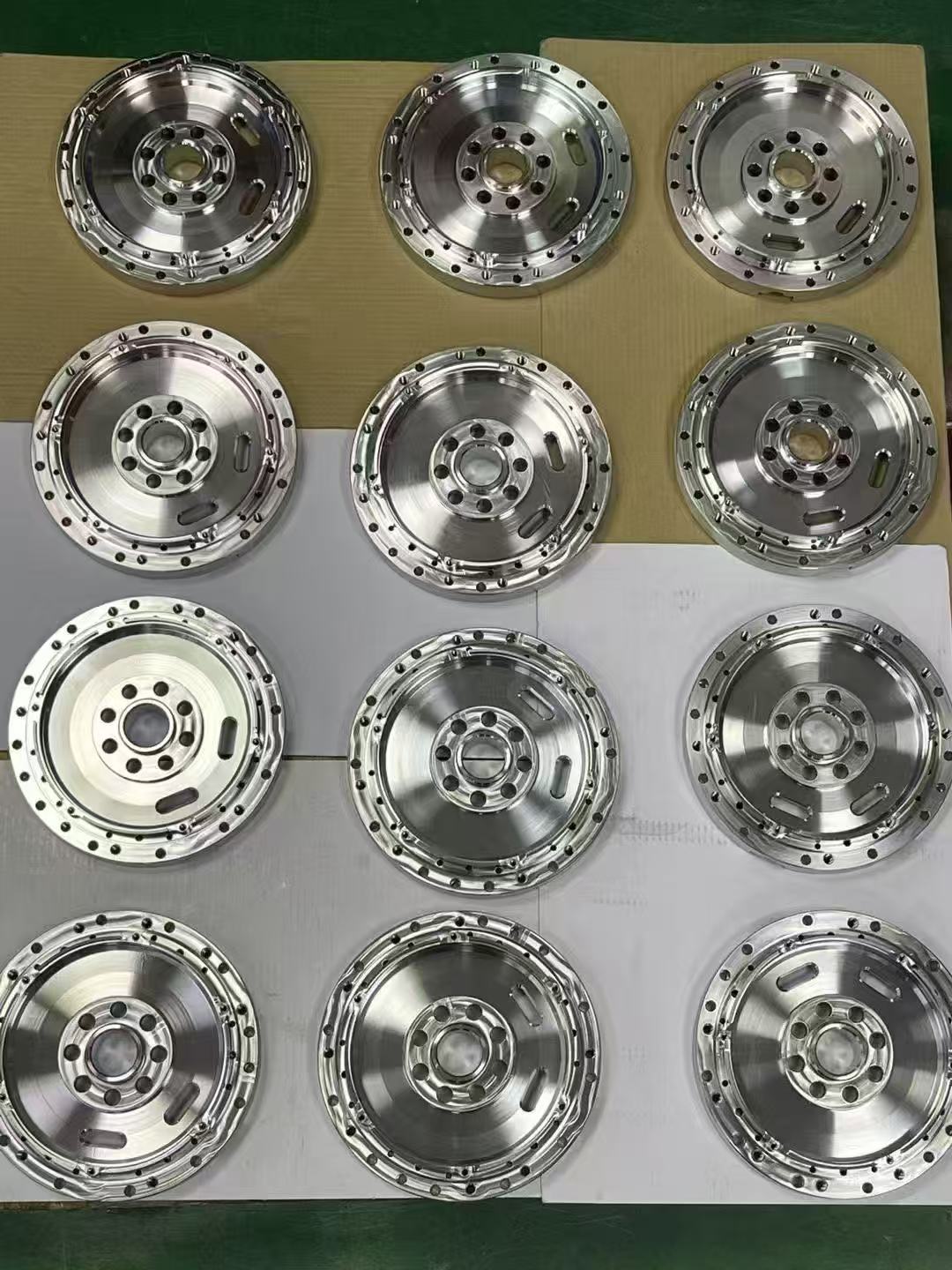
1. Turning
Turning is used to create cylindrical parts (e.g., bolts, shafts) by rotating the workpiece against a stationary cutting tool. Traditional lathes are still used in small shops, but CNC (Computer Numerical Control) turning centers have revolutionized the process. CNC lathes use pre-programmed software to automate cuts, reducing human error and enabling 24/7 operation. Modern models can even handle complex shapes, such as threaded or tapered parts, in a single setup.
2. Milling
Milling uses a rotating cutting tool to remove material from the workpiece, which is moved along multiple axes (X, Y, Z) to create slots, holes, or 3D shapes. Vertical mills are common for simple tasks, but 5-axis milling machines are game-changers for complex components. By rotating the workpiece around two additional axes, 5-axis mills can access hard-to-reach areas, eliminate the need for multiple setups, and reduce production time by up to 50%—critical for high-volume industries like aerospace.
3. Grinding
Grinding is a finishing process that uses an abrasive wheel to smooth surfaces or achieve ultra-tight tolerances. It’s often used for parts that require a mirror-like finish (e.g., bearing races) or precise dimensions (e.g., medical tools). Advances like CNC grinding have made the process more consistent, while super-abrasive wheels (made from diamond or cubic boron nitride) can grind hard materials like titanium or ceramics with minimal wear.
Whether you’re running a large factory or a home workshop CNC machining,lathe machining, these tips can help you improve quality, reduce costs, and avoid common pitfalls:
Invest in Tool Maintenance: Dull or damaged tools lead to poor surface finish, increased material waste, and longer production times. Schedule regular tool inspections, use tool presetters to ensure accuracy, and store tools in a dry, clean environment.
Optimize Cutting Parameters: Adjusting speed, feed rate, and depth of cut can significantly impact efficiency. For example, increasing the feed rate (within safe limits) can reduce cycle time, while using the right cutting fluid (for wet machining) can cool the tool and prevent chip buildup.
If you need precision mold component machining and CNC machining services or are looking for a suitable precision component machining factory, please choose Jac-Tec,Jac-Tec provides one-stop machining and production services for precision mold component and machining parts and assemblies for new energy, medical equipment, electronics .robotics, commercial equipment, and so on. You can contact with project manager Maggie email: maggie@maqmtec.com Tel: +86 13632861056
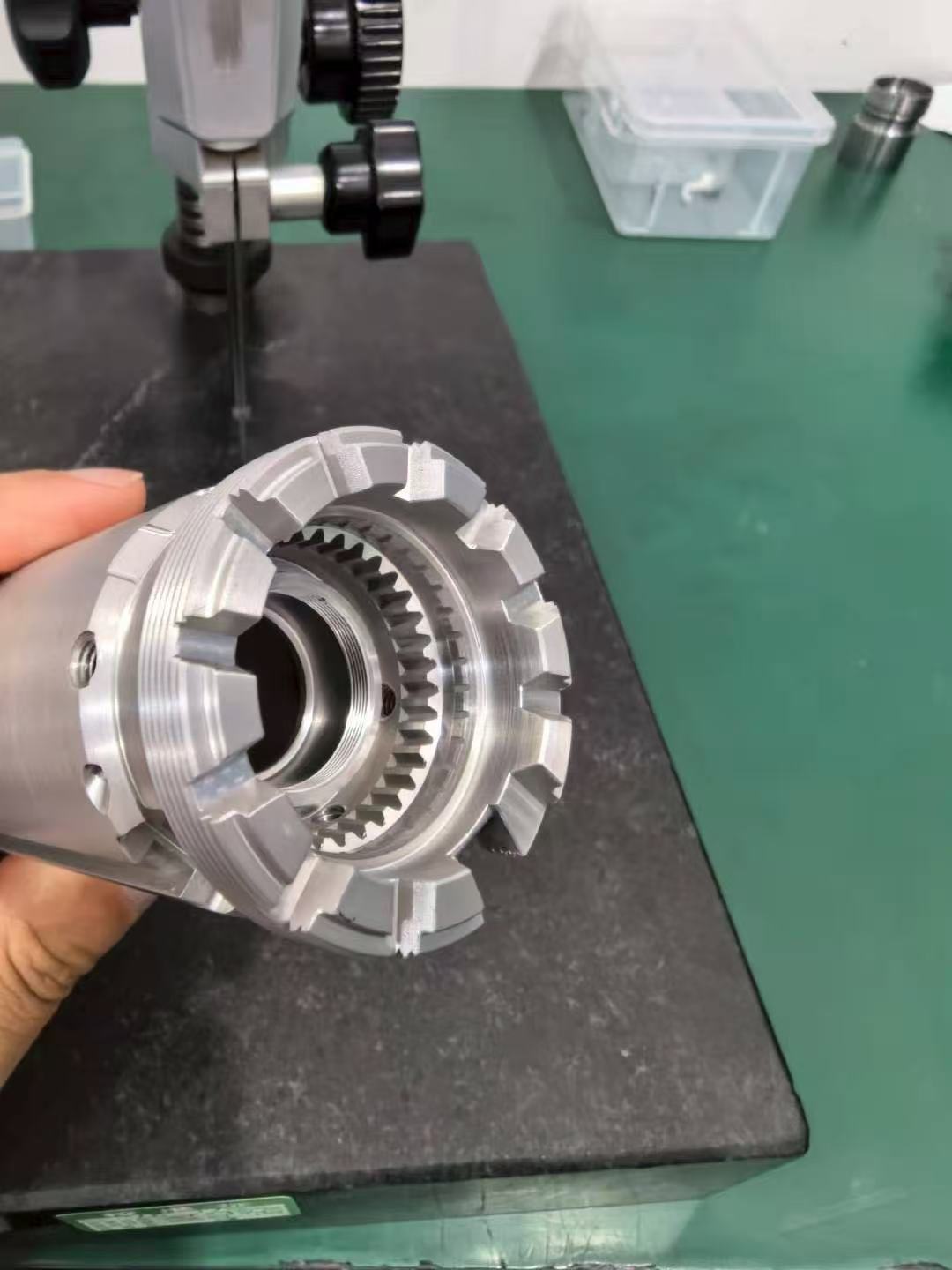
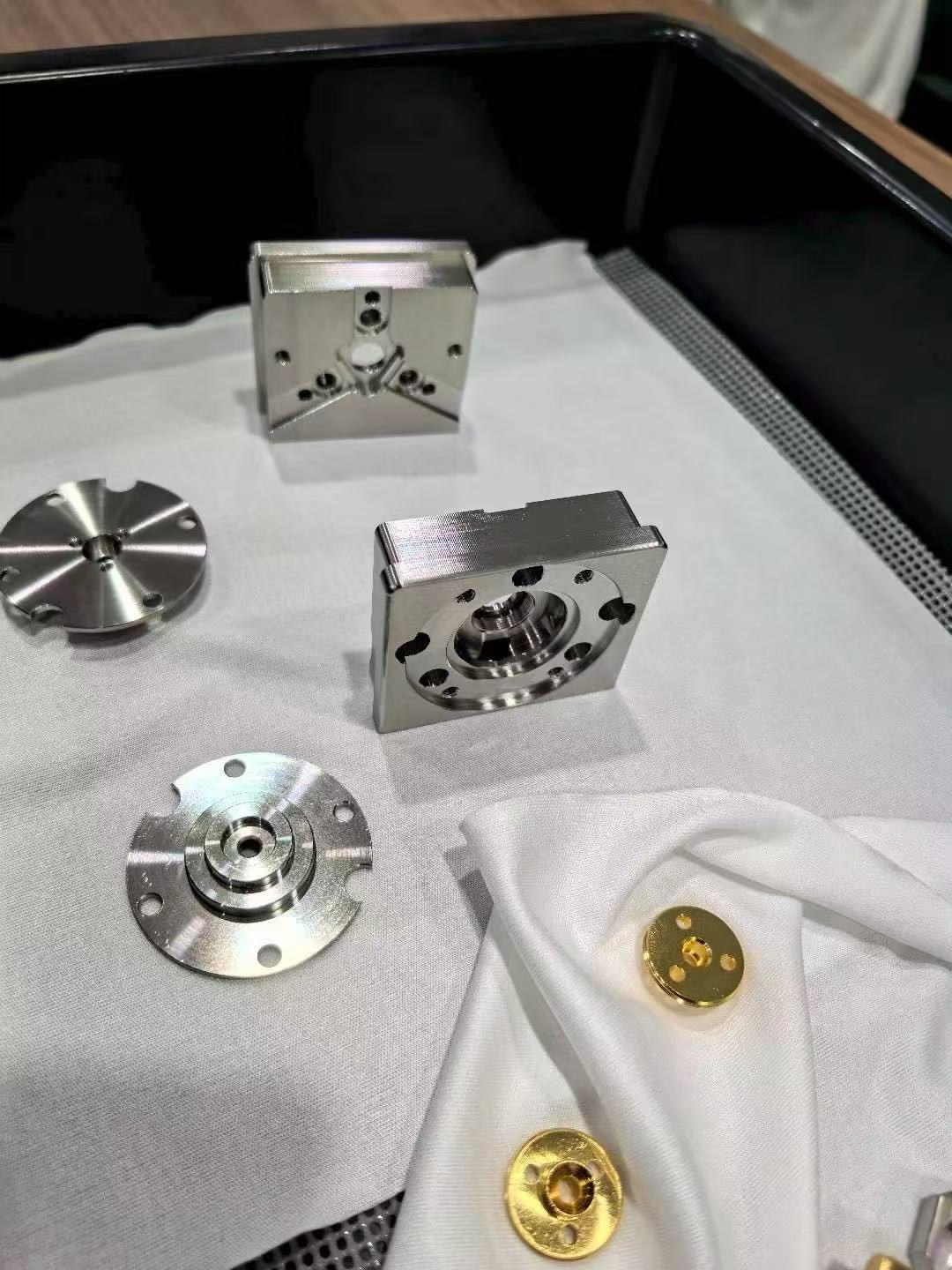
Machining is more than just cutting metal—it’s a dynamic field that combines innovation, precision, and problem-solving. As technology advances, the line between “art” and “science” in machining continues to blur: CNC machines handle the technical precision, while skilled operators bring creativity and critical thinking to tackle unique challenges.
Whether you’re a manufacturer looking to upgrade your equipment, a student considering a career in machining, or simply curious about how everyday products are made, staying informed about the latest trends and techniques is essential. After all, the next breakthrough in aerospace, medicine, or technology could start with a single machined part.